Balance test
With the door down, the provider checks whether the springs still carry the weight. A door that falls or flies up when released is out of balance, and the fix belongs with the spring system rather than the motor.
Most garage doors give warning long before they stop. A tune-up from an independent provider is a planned visit to check balance, lubricate moving parts, tighten hardware and test the opener safety functions while the door is still working.
A garage in this area is the main entrance for many households, so the door may cycle several times a day, every day. Long dry summers harden rubber seals and dry out roller bearings, and the hardware on an attached garage gets more use than almost anything else on the house.
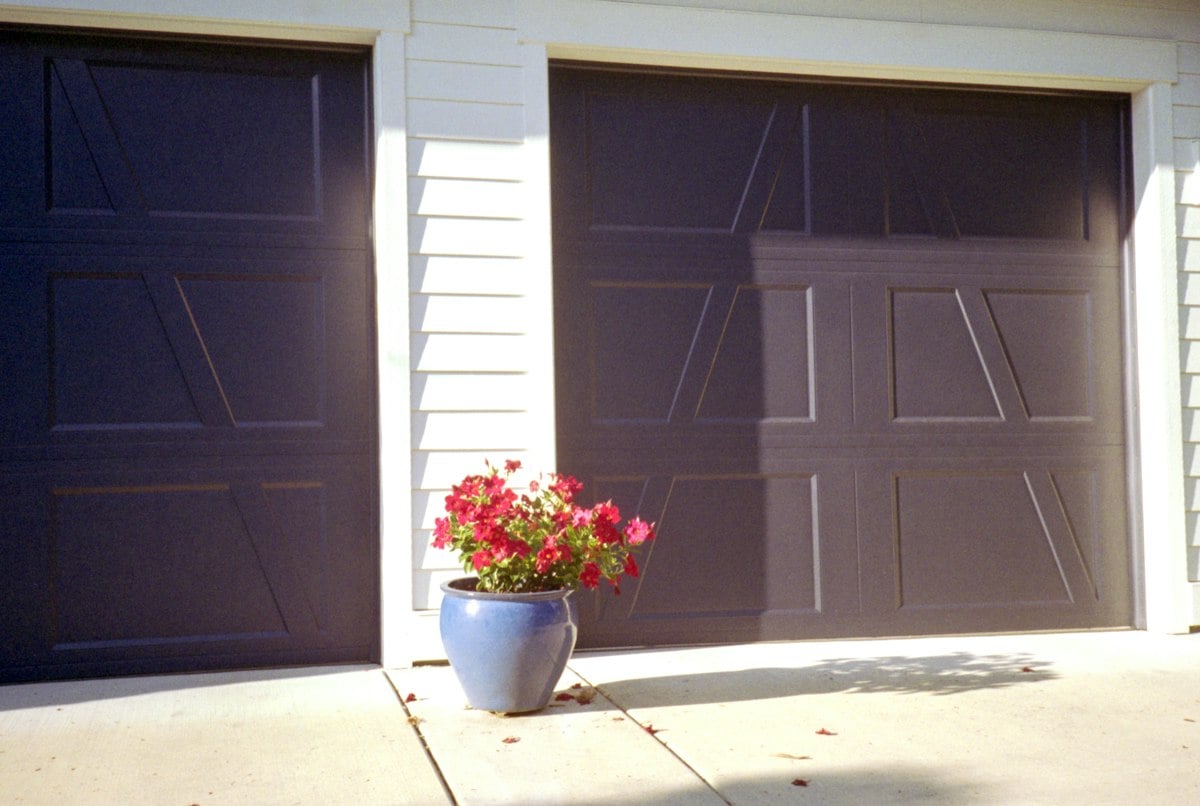
A tune-up is a scheduled inspection, not an emergency call. An independent provider can report what the door needs and what can wait; ask for any parts work to be quoted for you to approve first.
With the door down, the provider checks whether the springs still carry the weight. A door that falls or flies up when released is out of balance, and the fix belongs with the spring system rather than the motor.
Rollers, hinges, bearing plates and the opener drive get a lubricant made for garage door hardware. Tracks are cleaned rather than greased, because grease collects the grit that wears rollers down.
Hinge bolts, track brackets, the opener bracket and the rail fasteners all loosen from vibration. Each is checked and tightened, and anything bent or elongated is flagged for replacement.
The bottom seal, side stops and top seal are inspected for splits, gaps and hardening. A worn seal lets in dust, rain and pests and is one of the simpler items to renew.
Travel limits and force settings are checked so the door stops where it should. The provider also tests that the opener reverses on contact and that the photo-eye sensors stop a closing door.
Ask for a plain summary of what was adjusted, what is wearing and what is still fine. Agree to any replacement before it is done.
A tune-up often ends there. Sometimes it turns up a part that is already past adjustment, and the provider should explain what that part does and what happens if it is left. Frayed cables, a spring with a visible gap in the coil and a door that will not stay put when released are all reasons to stop using the door until the work is done.
If the visit points at the balance system, see spring repair; if the opener is the weak link, see opener repair or the related sensor and keypad repair. Where an older door needs several repairs at once, the repair versus replacement guide sets out how to compare them.
Provider availability is checked by address across the area, including Round Rock. Check the full list of communities served or call the number.
Once a year suits most households, and sooner if the door is used many times a day or has started making a new noise. An independent provider can tell you at the visit whether your door needs looking at more often, based on its age, its use and the condition of the hardware.
The number of doors, the hardware fitted and whether any parts need replacing all affect it. Ask the provider to quote the visit and any parts work separately, so you can approve the adjustment work without committing to repairs on the same day.
Yes, within limits. Applying a garage door lubricant to rollers, hinges and bearings is safe. Do not adjust, loosen or oil springs, cables or cable drums; those hold stored energy and are part of spring repair work for a technician.
Usually not. A door that has stopped moving has a failed component, and that is a repair call rather than maintenance. Describe what happened when you call the number so an independent provider can plan the right kind of visit.
Ask the provider to explain options before work begins.