Garage Door Insulation in Austin: Worth It?
Garage door insulation in Austin can make a garage feel less like an oven in August and less like a freezer on a January night. You can add an insulation kit to the door you have or choose an insulated door. Either way, call to be connected with a local provider who can check the springs and seals first.
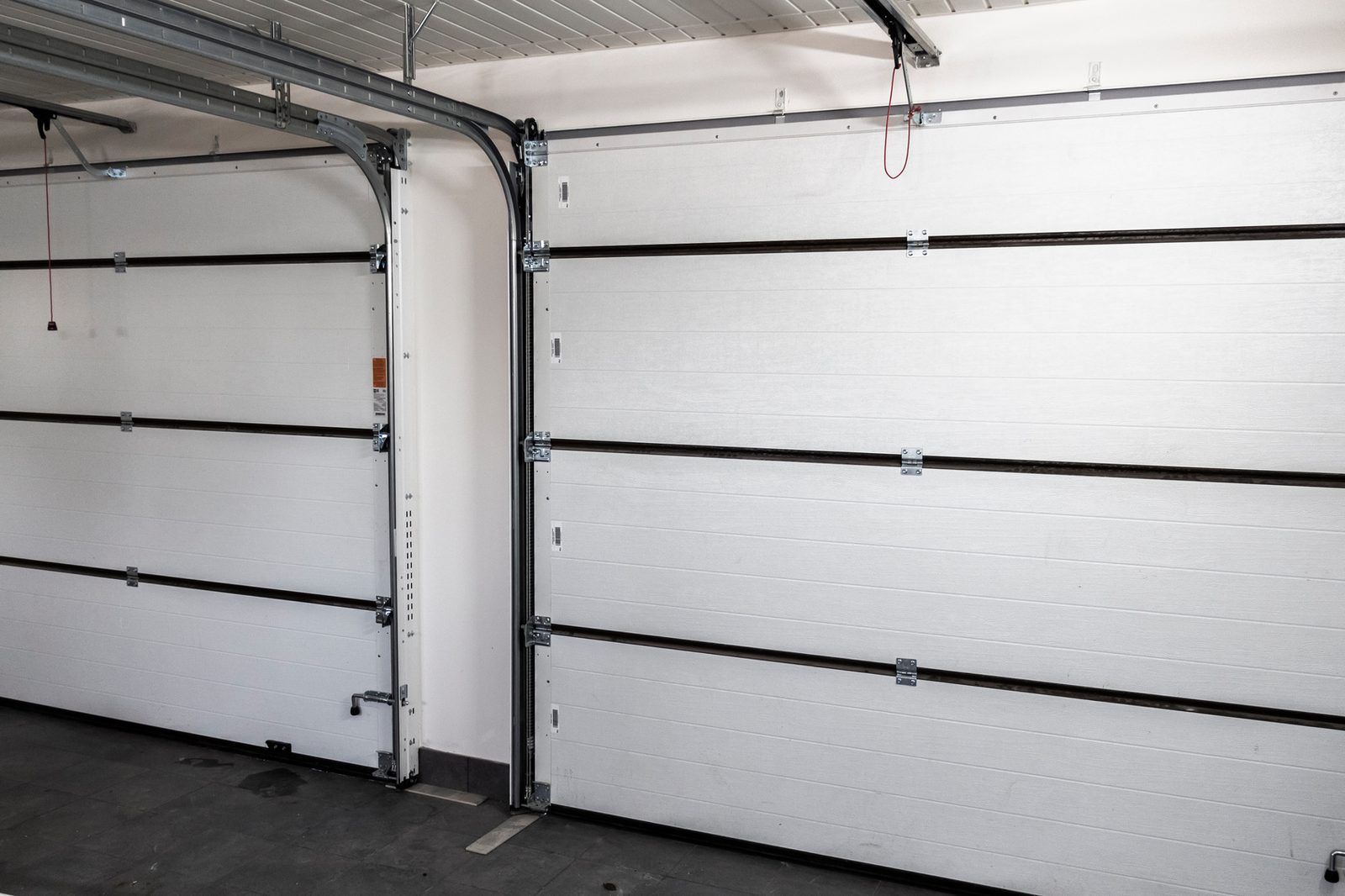
- Garage door insulation slows heat moving through the door. It does not cool or heat the garage by itself.
- Insulation adds weight, so the springs may need to be checked and rebalanced afterward.
- Worn bottom seals and gaps around the frame can let in as much outside air as an uninsulated door.
- Austin swings from triple-digit summer days to freezing winter nights, so a garage door faces both extremes.
- A local provider should look at the door and give you a written quote before any work begins.
Is garage door insulation worth it in Austin?
Garage door insulation in Austin is often worth it if you use the garage as a workshop, gym, laundry area or storage space, or if a bedroom sits above or beside it. It is less useful if the garage only holds a car and the walls and ceiling have no insulation at all.
The garage door is usually the largest opening in the house. A thin single-layer steel door lets summer heat pour into the garage and lets winter cold in just as easily. Insulating the door, sealing the gaps and keeping the inside door to the house closed can make the space more comfortable. Results depend on your home, so think of it as an improvement in comfort rather than a promise about bills.
How does an insulated garage door help in summer and winter?
An insulated garage door helps by slowing heat transfer through the door panels. In summer it keeps some of the afternoon sun from heating the garage. In winter it holds in a little more warmth and blocks some of the cold.
Doors that face west or south in Austin often take the most heat, because they catch the strong afternoon sun. A garage that bakes all day also passes that heat into rooms that share a wall with it.
What types of garage door insulation are there?
There are three common types of garage door insulation: add-on kits, insulated replacement panels and fully insulated doors. Each one works differently and suits a different door.
- Insulation kits: foam board or reflective batts cut to fit inside each panel of an existing door.
- Polystyrene doors: rigid foam boards sandwiched in the door. These add insulation without a lot of thickness.
- Polyurethane doors: foam injected between two steel skins. The foam bonds to the steel, which makes the door stiffer and quieter.
A door's insulation level is often shown as an R-value. A higher R-value means the door resists heat flow better, but how well it works also depends on the seals around it.
Need help now? Call to be connected with a local provider in Austin who can check availability for your address.
Should I add an insulation kit or get a new insulated door?
Add an insulation kit if your current door is in good shape, moves smoothly and is light enough to handle a bit more weight. Choose a new insulated door if the panels are dented, rusted or cracked, or if the door is old and already needs repairs.
Kits suit simple steel doors with flat, recessed panels. They are not a good fit for wood doors, doors with heavy windows, or doors that already strain the opener. If you are weighing both, our repair vs replacement guide and the new garage door installation page explain what to think about.
Does insulating a garage door affect the springs and opener?
Yes. Insulation adds weight to the door, and the springs are set to lift a certain weight. A door that is heavier than the springs expect can drift down, close hard, or make the opener work too hard.
After a kit goes in, the door should be balance-tested. A balanced door stays put when lifted halfway by hand. Spring tension is dangerous to adjust without the right tools and training, so leave that part to a provider. The garage door spring repair page covers the warning signs of a tired spring.
What else keeps heat and cold out of a garage?
Seals matter as much as the door. A cracked bottom seal, gaps along the sides and top, and a worn threshold can let hot or cold air flow right past an insulated door.
- Check the rubber bottom seal for cracks, flat spots or daylight showing underneath.
- Look for gaps in the weatherstripping along the sides and top of the frame.
- Close the door between the garage and the house.
- Consider the garage walls and ceiling, especially under a room above.
A seasonal garage door maintenance and tune-up is a good time to have seals and balance checked together.
When is the right time to insulate a garage door in Austin?
Fall and early winter are a practical time to insulate a garage door in Austin, before the coldest nights arrive and well ahead of summer heat. Mild weather also makes it easier to keep the door open while work is done.
What happens during the visit?
When you call, you are connected with a local provider who comes out to look at your garage door. The visit usually follows the same steps:
- Inspection: the provider checks the door type, panel condition, springs, opener, tracks and seals.
- Options explained: you hear whether a kit, new seals or an insulated door makes more sense for your door and how you use the garage.
- Written quote: you get a written quote before any work starts, so you can decide without pressure.
How does Austin weather affect your garage door through the year?
Austin puts a garage door through both extremes. The National Weather Service lists Austin's record high as 112°F, and in 2011 the city had 90 days of 100°F or higher. A garage behind a thin, sun-facing door can run hotter than the outdoors on those afternoons.
Winter brings its own test. Over 1991-2020, Austin's average first freeze at Camp Mabry was December 1 and its average last freeze was February 15. Sub-freezing temperatures happen about 12 days a year at Camp Mabry but about 33 days at Austin-Bergstrom Airport, where clear winter nights can be 10 degrees colder. On February 1, 2023, ice across the Austin metro caused power outages numbering in the hundreds of thousands, some lasting a week or more. During an outage an insulated door helps a garage hold its temperature a little longer, and it is a good reminder to know where your manual release cord is.
Local providers serve homes across Austin, Round Rock, Cedar Park, Georgetown, Pflugerville, Kyle and Buda. Call to be connected with one near you.
Related pages
Questions people ask
Is garage door insulation worth it in Austin?
For many Austin homes, yes, especially if you use the garage as a workspace or a room sits above it. It mostly improves comfort. Results vary by home, door and how well the garage is sealed.
Does an insulated garage door really keep the garage cooler in Texas summers?
It helps, but it will not cool the garage like air conditioning. It slows the heat coming through the door, so the garage warms more slowly on hot afternoons.
Can I insulate my existing garage door myself?
Many people install foam or reflective kits on simple steel doors. The tricky part is afterward, because added weight can throw off the spring balance. Have the balance checked and leave spring adjustment to a provider.
Will garage door insulation make my door too heavy for the springs?
It can. Even a light kit adds weight across every panel. If the door drifts down, slams or the opener strains after insulating, the springs likely need to be rebalanced.
What is the difference between polystyrene and polyurethane garage door insulation?
Polystyrene is rigid foam board set into the door. Polyurethane is foam injected between steel layers that bonds to them. Polyurethane doors tend to be stiffer and quieter.
What R-value should a garage door have in a hot climate like Austin?
There is no single right number. A higher R-value resists heat flow better, but good seals and how you use the space matter just as much. Ask a provider to compare a few options for your garage.
Can you add insulation to a wood garage door?
It is usually not recommended. Wood doors are built differently, and foam kits can trap moisture or add weight the door was not designed for. Ask a provider about other options.
Should I replace the bottom seal when I insulate my garage door?
It is a good idea if the seal is cracked, flat or lets light through. A worn seal lets air in under the door and cancels out part of the benefit of insulation.
Will an insulated garage door help during a winter power outage?
A little. It helps the garage hold its temperature longer when the heat is off. It will not keep the garage warm on its own during a long outage.
Can garage door insulation help a bedroom above the garage in Austin?
It can help, since less heat builds up in the garage below. Insulating the garage ceiling and sealing gaps usually makes a bigger difference for the room above.
Is it better to insulate the garage door or the garage walls first?
Start with whatever lets the most heat in. In many Austin garages that is the large, thin door and its gaps, but uninsulated walls and ceilings matter too.
Do I need a new opener if I get an insulated garage door?
Not always. Many openers handle an insulated door fine when the springs are set correctly. A provider can check whether your opener is a good match for the new door.
What time of year is good for garage door insulation in Austin?
Fall and early winter work well because the weather is mild and the coldest nights are still ahead. Any season is fine if the garage is uncomfortable now.
Who can I call about garage door insulation near me in Austin?
Call the number on this page to be connected with a local provider. They can inspect your door, explain your options and give you a written quote before any work begins.
Can I insulate a garage door that already has dents or rust?
It is usually not worth it. Damaged panels are weaker and may not hold a kit well. Replacing the panel or the whole door with an insulated one is often the better choice.
Talk to someone about your garage door problem
Call to be connected with a local provider who can check availability for your address and explain the next step.