Garage Door Maintenance in Austin: DIY or Pro?
Garage door maintenance in Austin is part homeowner job and part pro job. You can safely clean the tracks, lube moving parts, test the sensors and check the seals. Springs, cables and balance adjustments hold dangerous tension, so call to be connected with a local provider for those.
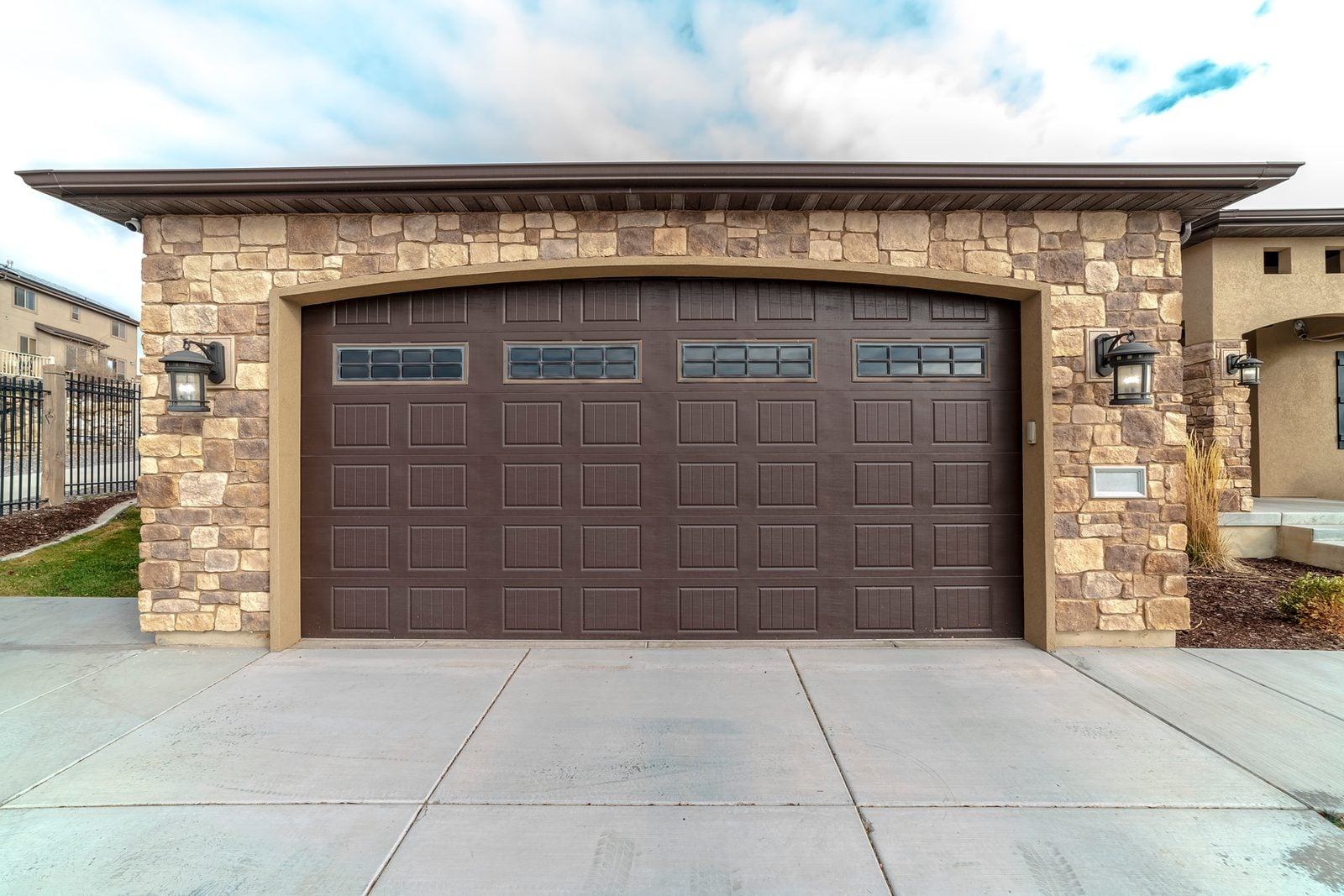
- Most garage door maintenance is simple: look, listen, clean, lube and test.
- Springs, cables and the bottom brackets are under high tension. Leave them to a trained provider.
- A balance test and a safety reverse test tell you a lot about the door's health.
- Austin heat and the occasional hard freeze are both tough on lubricants, seals and openers.
- A local provider should inspect the door and give you a written quote before any work begins.
Should I do garage door maintenance myself or hire a pro in Austin?
For most Austin homes, the answer is both. Do the simple garage door maintenance yourself a few times a year, and have a provider handle anything that involves spring tension, cables or bent parts. That split keeps the door running well without putting you near the parts that cause the worst injuries.
Think of it like car care. You can check the tire pressure and top off the washer fluid. You would not rebuild the brakes in the driveway without training. Garage doors work the same way: the parts that store energy to lift the door are not DIY parts.
What garage door maintenance tasks can I safely do myself?
You can safely handle the cleaning, lubricating and testing jobs. None of these require you to loosen anything that holds tension.
- Look and listen: run the door and watch for jerky movement, gaps, or grinding and squealing sounds.
- Clean the tracks: wipe dirt and debris out of the tracks with a dry cloth. Do not grease the inside of the tracks.
- Lube the moving parts: use a garage door lubricant on the hinges, roller bearings and the springs' outer coils. Skip nylon roller wheels unless the maker says otherwise.
- Test the photo eyes: close the door and wave an object through the beam. The door should stop and reverse.
- Check the seals: look for cracks or daylight under the bottom seal and along the sides.
- Tighten loose screws: snug the screws on the hinges and the opener mounting, but never touch the bolts on the bottom brackets.
If a sound or movement points to a bigger problem, the guide to quieting a noisy garage door can help you sort it out.
Which garage door jobs should I leave to a professional?
Leave anything with stored tension, structural damage or electrical wiring to a provider. These jobs need special tools, and a mistake can hurt you or drop the door.
- Adjusting, replacing or winding torsion or extension springs.
- Replacing frayed or loose lift cables and the bottom brackets they attach to.
- Straightening bent tracks or putting a door back on its track.
- Rebalancing a door that drifts down or flies up.
- Replacing a cracked or bowed panel.
- Rewiring or replacing the opener.
The garage door spring repair page explains why spring work is risky and what a worn spring looks like.
Need help now? Call to be connected with a local provider in Austin who can check availability for your address.
How do I test my garage door balance and safety reverse?
You can test balance and safety reverse in a few minutes. These two checks show whether the springs and the opener's safety system are doing their jobs.
Balance test: close the door, pull the opener's red release cord, and lift the door by hand to about halfway. A balanced door stays put. If it slides down or pushes up, the springs need attention from a provider. Reconnect the opener when you are done.
Safety reverse test: lay a piece of wood or a roll of paper towels flat on the floor where the door closes. When the door touches it, the door should reverse. If it does not, stop using the opener to close the door and call for help.
How often does a garage door need professional maintenance?
Many homeowners in Austin have a provider look at the door about once a year, with their own quick checks every few months. A door that gets heavy daily use, such as one that serves as the main entry, may need a closer look more often.
Schedule a visit sooner if you notice the door is louder than usual, moves unevenly, or the opener strains. Catching a worn roller or a tired spring early is usually simpler than dealing with a door that is stuck. The garage door maintenance and tune-up page lists what a provider usually checks.
What are the risks of skipping garage door maintenance?
Skipping garage door maintenance mostly means small problems turn into bigger ones. Dry rollers wear faster, loose hardware rattles apart, and a door that is out of balance makes the opener work harder every day.
The biggest risk is safety. A safety reverse system that no longer works can let the door close on a pet, a child, a bike or a car. A frayed cable or a worn spring can fail without much warning. Regular checks give you a chance to spot these problems while the door still works.
What happens during the visit?
When you call, you are connected with a local provider who comes out to look at your garage door. The visit usually follows the same steps:
- Inspection: the provider checks the springs, cables, rollers, hinges, tracks, opener, sensors and seals, and runs the balance and safety reverse tests.
- Options explained: you hear what is in good shape, what is wearing out, and which items can wait.
- Written quote: you get a written quote before any work starts, so you can decide without pressure.
How does Austin weather change your garage door maintenance plan?
Austin weather is hard on garage doors from both directions. The National Weather Service lists Austin's record high as 112°F, and in 2011 the city had 90 days of 100°F or higher. Long stretches of heat dry out lubricants, harden rubber seals and make openers run hot, so a late summer check is a smart habit.
Winter matters too. Over 1991-2020, Austin's average first freeze at Camp Mabry was December 1 and its average last freeze was February 15. Late fall is a good time to check the bottom seal and lube the moving parts before the cold arrives. On February 1, 2023, ice across the Austin metro caused power outages numbering in the hundreds of thousands, some lasting a week or more. Practice using the manual release cord and check any battery backup before winter storms.
The NWS also notes that Austin sits in Flash Flood Alley. After a heavy storm, clear mud and debris from the tracks and the floor where the door seals.
Local providers serve homes across Austin, Pflugerville, Georgetown, Leander, Lakeway, Kyle and Manor. Call to be connected with one near you.
Related pages
Questions people ask
What garage door maintenance can I do myself in Austin?
In Austin, you can safely clean the tracks, lube hinges and rollers, test the sensors and check the seals yourself. Leave springs, cables and balance adjustments to a trained provider.
How often should I lubricate my garage door?
Many Austin homeowners lube the moving parts every few months, and more often in long hot spells. Use a lubricant made for garage doors and wipe off any extra.
What kind of lubricant should I use on a garage door?
A spray lubricant made for garage doors, often silicone or lithium based, works well. Avoid heavy grease in the tracks, since it collects dirt and slows the rollers.
Should I put grease in my garage door tracks?
No. The tracks should be clean and dry so the rollers can move freely. Wipe the tracks out with a cloth and save the lubricant for hinges, bearings and springs.
How do I know if my garage door springs need to be adjusted?
Do a balance test. If the door slides down or pushes up when you let go halfway, the springs likely need adjusting, and that is a job for an Austin provider, not a DIY task.
How do I test the safety sensors on my garage door?
Close the door and pass an object through the beam between the photo eyes. The door should stop and reverse. If it does not, clean the lenses, check that the eyes line up and call for help if it still fails.
Is professional garage door maintenance worth it in Austin?
For many Austin homes, yes. A provider can spot worn springs, frayed cables and balance problems that are hard to see, and fix them before the door gets stuck.
What does a professional garage door tune-up include?
A tune-up usually includes an inspection of springs, cables, rollers, hinges, tracks, opener and seals, plus balance and safety reverse tests. You get a written quote before any repair work starts.
Does the Texas heat affect garage door maintenance?
Yes. Long Austin summers dry out lubricants, wear down rubber seals and make openers work harder. A check in late summer helps catch heat wear early.
Should I maintain my garage door before winter in Austin?
Yes, late fall is a good time. Check the bottom seal, lube the moving parts, test the manual release and make sure any battery backup still works before freezes and ice storms.
Why is my garage door so loud and can maintenance fix it?
Often, yes. Dry hinges, worn rollers and loose hardware cause most noise. Lubricating and tightening screws can help, but grinding or banging should be checked by a provider.
Can I replace my garage door rollers myself?
It depends on where they are. The bottom rollers sit in brackets tied to the lift cables, so replacing them can be dangerous. Many homeowners leave roller replacement to a provider.
How do I clean my garage door after a storm or flood in Austin?
Clear mud and debris from the tracks and the floor where the door seals, then rinse the panels with mild soap and water. If the door now sticks or moves unevenly, call a provider to look at it.
Does a smart garage door opener need special maintenance?
Mostly the same care as any opener: keep the sensors clean, test the safety reverse and update the app. If the opener ties into an alarm system, Texas DPS licensing rules can apply to the installer.
Who do I call for garage door maintenance near me in Austin?
Call the number on this page to be connected with a local provider. They inspect the door, explain your options and give you a written quote before any work begins.
Talk to someone about your garage door problem
Call to be connected with a local provider who can check availability for your address and explain the next step.